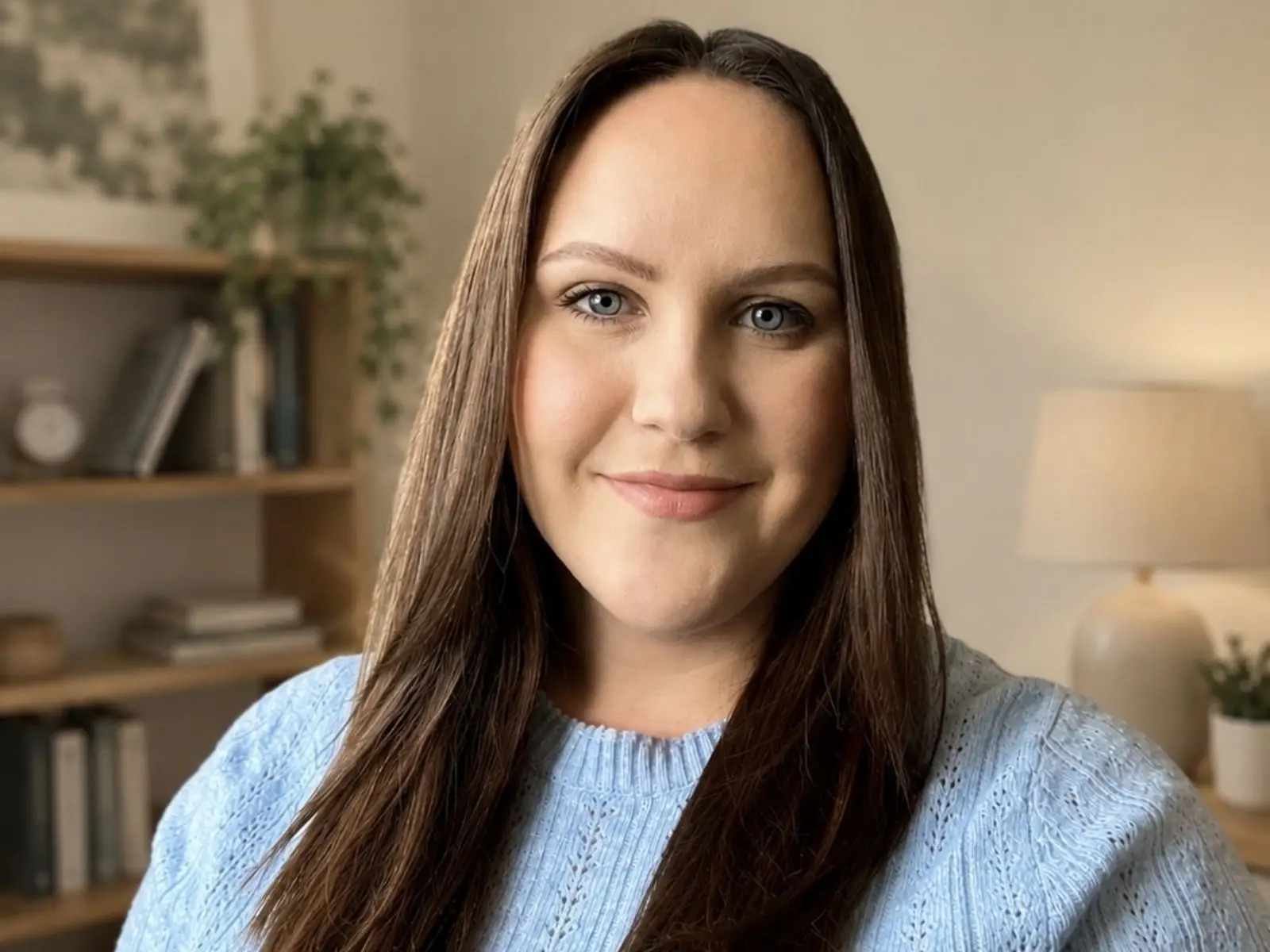
Individual therapy is a collaborative, one-on-one process between you and a trained therapist — a space that belongs entirely to you. Whether you’re working through a specific issue like anxiety, trauma, or grief, or simply feeling stuck and unsure why, individual therapy helps you explore your thoughts, emotions, and patterns in a safe and non-judgmental environment.
Our practitioners draw from a wide range of evidence-based approaches, tailoring their methods to your unique needs, goals, and lived experience. There is no one-size-fits-all path to wellbeing — and we believe the therapeutic relationship itself is one of the most powerful tools for lasting change. Whatever you’re carrying, you don’t have to carry it alone.
Depression is more than sadness. It’s a heaviness that makes even simple tasks feel impossible and a hopelessness that makes it hard to imagine ever feeling okay again. Therapy can help lift that weight, reconnect you to what brings you joy, and support a return to peace and wellbeing.
Stress and anxiety take a real toll — on your body, your relationships, and your quality of life. While some stressors can be addressed through practical changes, others run deeper. Therapy helps you relate to those challenges differently, drawing on principles of acceptance and self-compassion to reduce internal distress.
Loss can cause a kind of suffering that feels impossible to move through. Therapy provides space to reflect on and honour what’s been lost, and helps you find a way forward — not by erasing the grief, but by helping you carry it differently. Through that process, therapy can also deepen your understanding of your own values and beliefs, and bring some reconciliation to an incredibly difficult experience.
Trauma happens when an experience — whether a life-threatening event or a moment of profound helplessness — disrupts your sense of safety in the world. It can show up as anxiety, flashbacks, nightmares, and disorientation, or more subtly in your daily life and relationships. Without treatment, the effects tend to deepen over time. Our therapists are highly trained in trauma treatment, using empirically supported approaches including EMDR and Somatic Processing.
Addiction takes many forms. Some involve physiological dependency on substances; others are rooted in the brain’s reward system, making things like gambling, shopping, or pornography just as compelling and destructive. Often, addiction develops as a way of coping with emotional pain. Therapy helps address the underlying vulnerabilities that led there, while building new strategies for managing life’s challenges without it.
The mind and body are not separate. On a neurological level, pain is a mental perception — which means emotional distress can directly influence how much pain we feel, and even increase our sensitivity to it. Therapy can help you develop awareness of how your emotions show up physically, allowing you to work through the underlying causes and consciously release the tension.

Career satisfaction is shaped by many factors — your interests, strengths, and abilities, but also the internal barriers that can quietly hold you back. Vocational counselling helps you better understand yourself professionally, work through the emotional and psychological hurdles standing between you and your goals, and build a concrete plan for getting where you want to be.
If you feel like you’re not living up to your potential — in your career, your relationships, or your personal life — life coaching can help. It’s a practical, forward-focused process that helps you get clear on where you want to be, build concrete strategies for getting there, and deepen your self-awareness along the way.
Acceptance & Commitment Therapy
Clinical Hypnosis
Grief Recovery Method
Cognitive Behavioural Therapy
Gottman Method
Polyvagal
Existential
Emotion-Focused Therapy
Internal Family Systems
We respond to all enquiries personally and aim to reply within 1–2 business days.